
Reporting from a conference in Honduras gathering those in the startup society movement
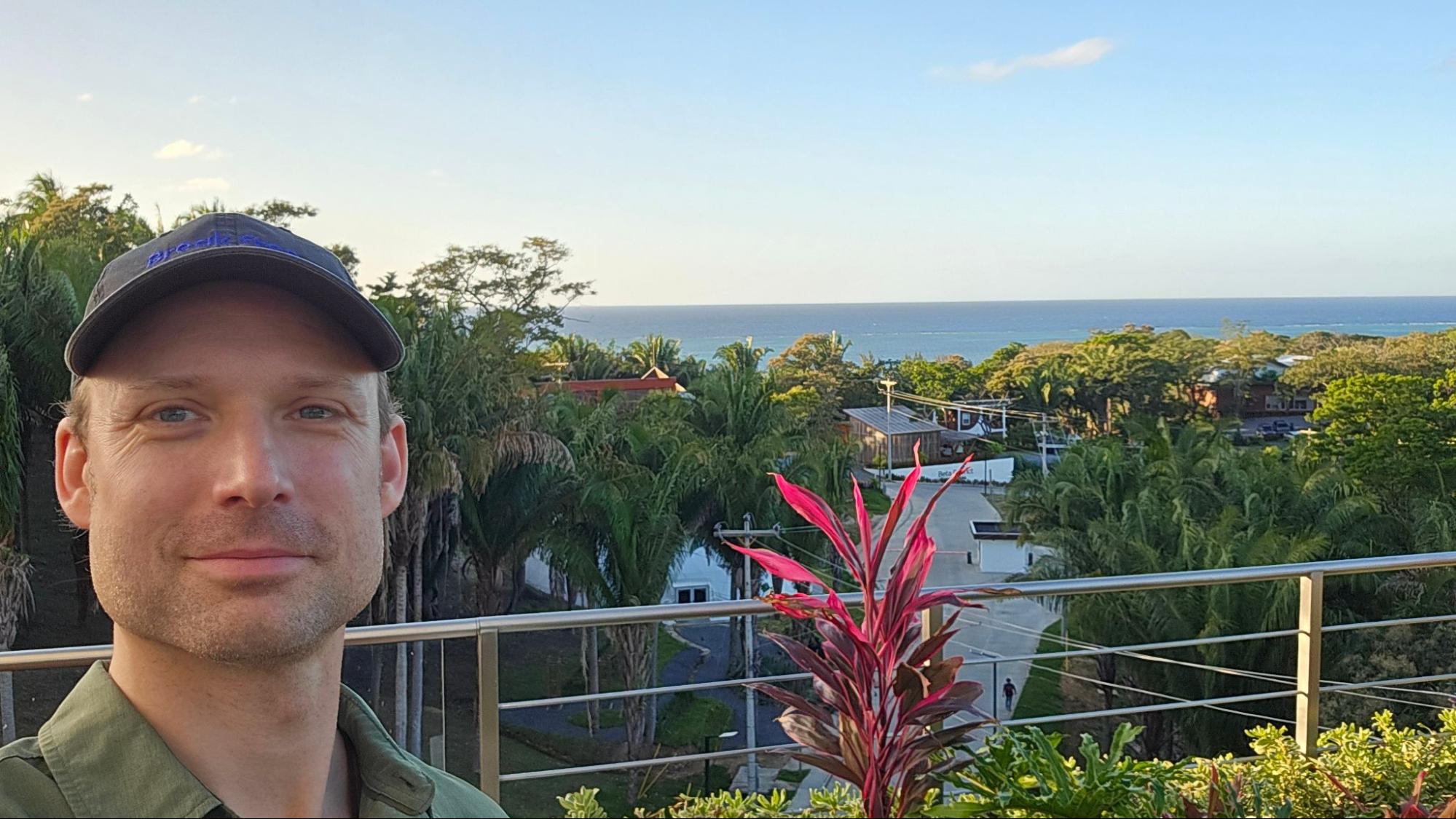
In March I returned to Honduras, the underdeveloped country in Central America that is also home to a leading, groundbreaking experiment of what a society of the future might look like.
Próspera is the name of the entity behind this startup society known by the same name. They teamed up with the Honduran government to establish this autonomous zone on Roatán Island, breaking ground in 2020.
This zone has since become a hub for a global movement flexing newfound freedom, development, and actualization of what communities and societies can be. And as a result, it’s helped Honduras by way of tourism and tax revenues as well as assisted Hondurans who’ve gained jobs and careers.
I returned in March to attend the Liberty Acceleration Summit, a conference showcasing the progress of startup societies around the world.
Próspera, itself, is today’s leading example.
It provides residents and incorporated entities a jurisdiction with less red tape, lower taxes, and more efficient, responsive governance. Yet the real game-changer is how Próspera allows such entities to select their own regulatory framework from which to operate, subject to insurance approval.
All of this has opened the door to many businesses incorporating here—especially those in medical tech and biotech, which is the focus of the community, Infinita City.
While based here on Roatán, Infinita City is a type of startup society—a biotech/longevity network—free of a single jurisdiction. Starting off as a venture capital fund, they then brought people together for pitch events. Now they host several kinds of gatherings related to their focus and startup societies in general—such as this conference.
It was well attended. So, no vacancy for me at the main housing accommodation: Próspera’s towering achievement, the tallest building on Roatán island, Duna Tower.
They placed me in the dorm along with eight or so other attendees.
Fellas here came from several countries, represented various backgrounds and careers (software, entertainment, biotech, and even one social media influencer), and ranged from about 25 to 55 years old.
I shared much time in the communal/kitchen area with these guys, discussing everything from topics of the conference, travel tips for the island, and our countries of origin. One early-20s German man, upon learning where I was from, looked at me with a cheesy grin and said, “LEARing Center.”
There was a second of confusion followed by a thump of humility and amusement. News travels fast and far today. I didn’t know Minnesota’s reputation as a hotbed for welfare fraud would precede me. Perhaps it’s appropriate, then, that I’d be here to learn about these ideas on building a better society.
On-site near the Duna Tower, sits the Infinita Dome, wherein attendees gathered the next morning, filling the chairs for several talks, panels, and news from afield.
In addition to updates from Próspera and Infinita City, we heard from the Principality of Sealand, a jurisdiction off the coast of England resting upon repurposed infrastructure—an abandoned WWII fort. Today, the grandsons of the founder continue to manifest its mission through modern methods such as eCitizenry.
A touch of defiance toward the local country has maintained the development of Sealand as well as another project we heard about, the Free Republic of Liberland.

Located on a previously unclaimed Danube River bank and island between Croatia and Serbia, this sliver of land maintains its independence and progress toward international recognition.
Demonstrating further potential for the staying power of these projects and movement, the leader of OurWorld presented his work in Zanzibar, the island off East Africa, part of the country of Tanzania. The case of OurWorld, just as with Próspera in Honduras, demonstrates the growing extent to which host nations (usually smaller and less economically developed) welcome these projects.
Startup societies aren’t just endeavors for pioneers or rebels dissatisfied with their homelands wanting to go their own way; they’re tools for current countries recognizing an opportunity to improve their societies by way of teaming up with these pioneers to benefit the whole.
Other projects mentioned were Jungli Nomad Village in India and Edge City, which, itself, is nomadic with different locations for this annual month-long pop-up city. And there are dozens more of these around the world—ranging from some vying for permanent independence, to temporary communities within existing nations.
Further, many more companies and professionals reveal this movement’s scope. For it’s one thing for pioneers to stake their claim. It’s another for onlookers to start believing in them and see their opportunity to join by being of service consulting, fundraising, journalism, sales, and more.
Several such individuals took the stage as well, including a panel for the nomad community, a think tank representative, a journalist specializing in this movement, and a consultant assisting these kinds of projects around the world.
Through the concentration of a conference, I realized the brewing potential for this movement of builders and industries in support of them. This whole three-day affair breathed with a peaceful revolution energy. They’re not letting the woes of a stagnating world get them down.
Nor are they ignoring its problems or relying purely on blind faith that things in their homelands will be all right. They’re doing something about it. And that something amounts to this space and community working to build a better tomorrow.
In a world that seems to be at a crossroads, the startup society movement feels like a widening ray of hope—builders looking beyond the redundant, ineffective, sometimes-corrupt systems in place today and toward futures realizing abundance and an expanse of possibilities.
Brandon Ferdig is an independent journalist, writer, and storyteller whose work explores people, culture, emerging communities, and the forces shaping society’s future. He is also the founder of the MN Blockchain Society, where he helps connect and educate Minnesotans interested in blockchain, Web3, and new models of technology-driven community building. His reporting often focuses on human stories at the edge of innovation, including startup societies, civic experimentation, and the people working to imagine what comes next.
Support and follow independent journalism like “Brandon on the Periphery” on Substack https://substack.com/@theperipherypost and Facebook https://www.facebook.com/theperipherymedia/